Background
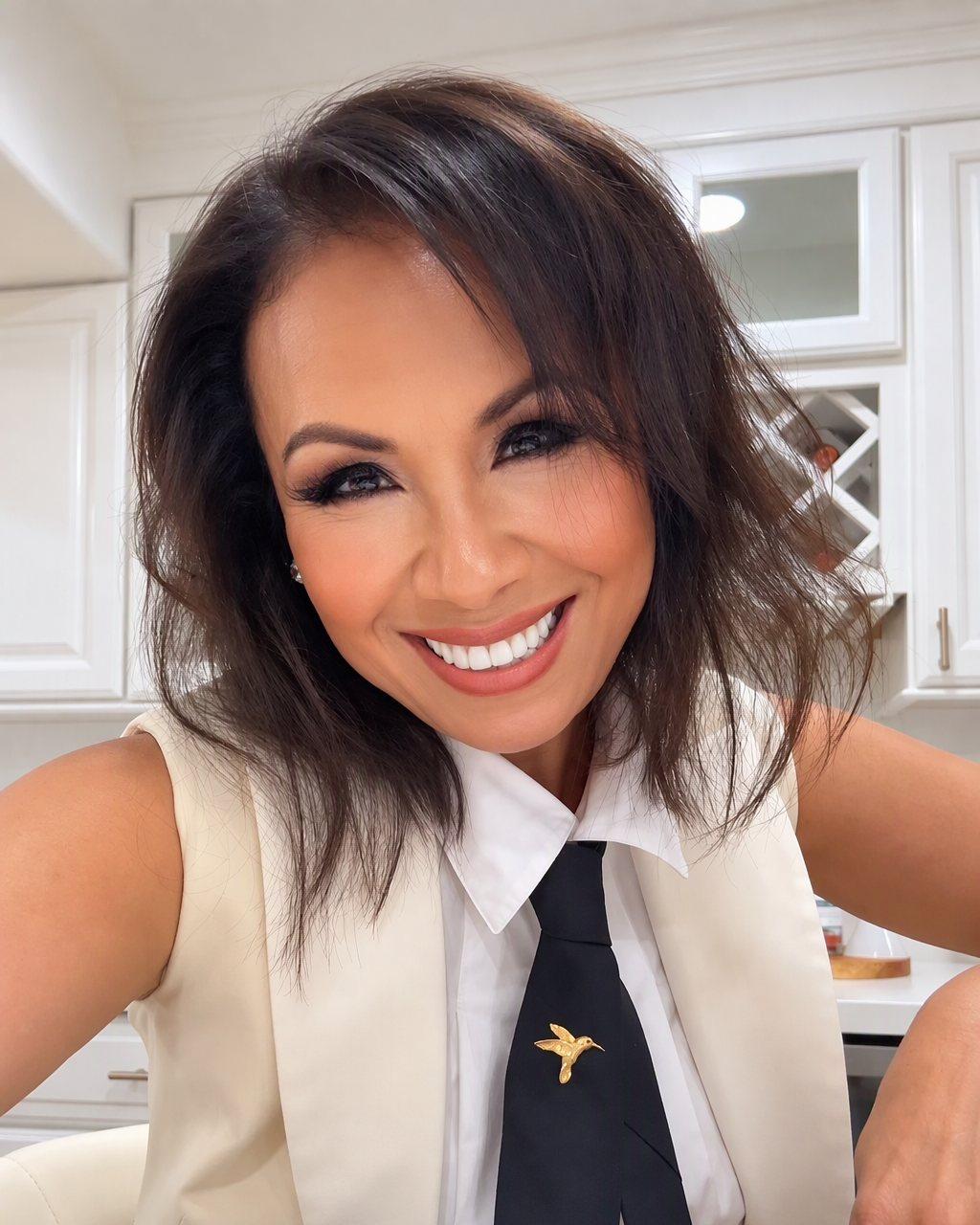
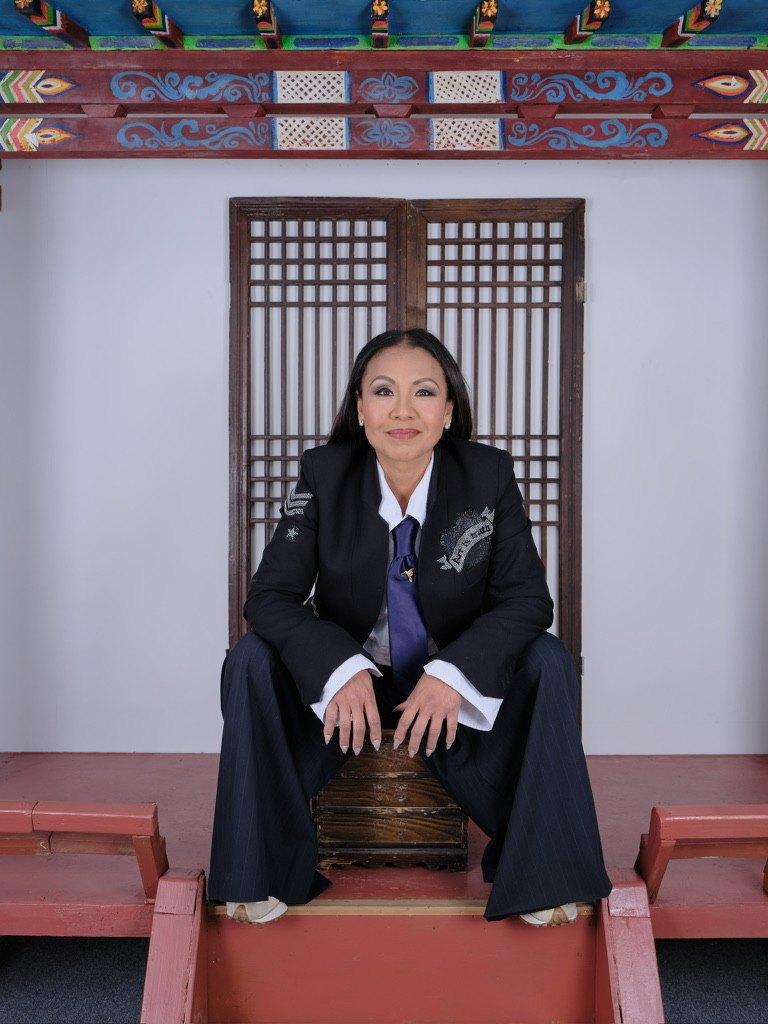
I am an adoptee and survivor who was adopted internationally at age 12 after spending ages 11 to 12 in an orphanage in Korea. I am also the adoptive and biological parent of four young adults, an author, speaker, researcher, and scholar engaged in doctoral-level developmental psychology research. My work examines attachment, trauma, developmental rupture, autobiographical memory, identity, resilience, and adaptation across the lifespan.
My perspective is also shaped by being Black and Korean, internationally adopted, and raised while navigating cultural environments and institutions where different parts of my identity were not always equally recognized. Living at these intersections has taught me that identity is not a collection of separate categories. It is a dynamic developmental experience shaped by race, culture, family, history, belonging, and the social contexts through which a person moves.
That understanding informs how I approach attachment, trauma, cultural displacement, identity development, and resilience. I pay attention not only to what happened within a family, but also to the larger systems that influence whose experiences are acknowledged, whose behaviors are misinterpreted, and who is expected to adapt without being fully understood.
I bring lived experience into conversation with empirical research rather than using either one as a substitute for the other. That intersection helps me ask different questions, recognize what broad labels can obscure, and translate complex developmental science into language people can connect with real relationships, histories, bodies, cultures, and choices.
My approach is guided by dynamic systems theory: development is active, relational, contextual, and capable of reorganization over time. Adversity matters, but people are not reducible to what happened to them. As relationships, environments, resources, experiences, and individual choices change, new developmental pathways can emerge.
Beyond my own story
I didn’t build this work on my experience alone. The deeper I went into the study of developmental psychology, the more I recognized the patterns, so I expanded the work to adoptees across the globe and to survivors of trauma.
I don’t believe in a hierarchy of trauma, where one experience outranks another. Our stories don’t need to match. What matters is understanding the research, undiluted by individual accounts, while holding space for each unique story as a study in itself.
The work today
Today I write, speak and consult. Retrain Your Brain™ is the framework that holds the work together: understanding first, then change.
I work with individuals, with parents and caregivers, and with the professionals and organizations who support them.
Read about Retrain Your Brain™